
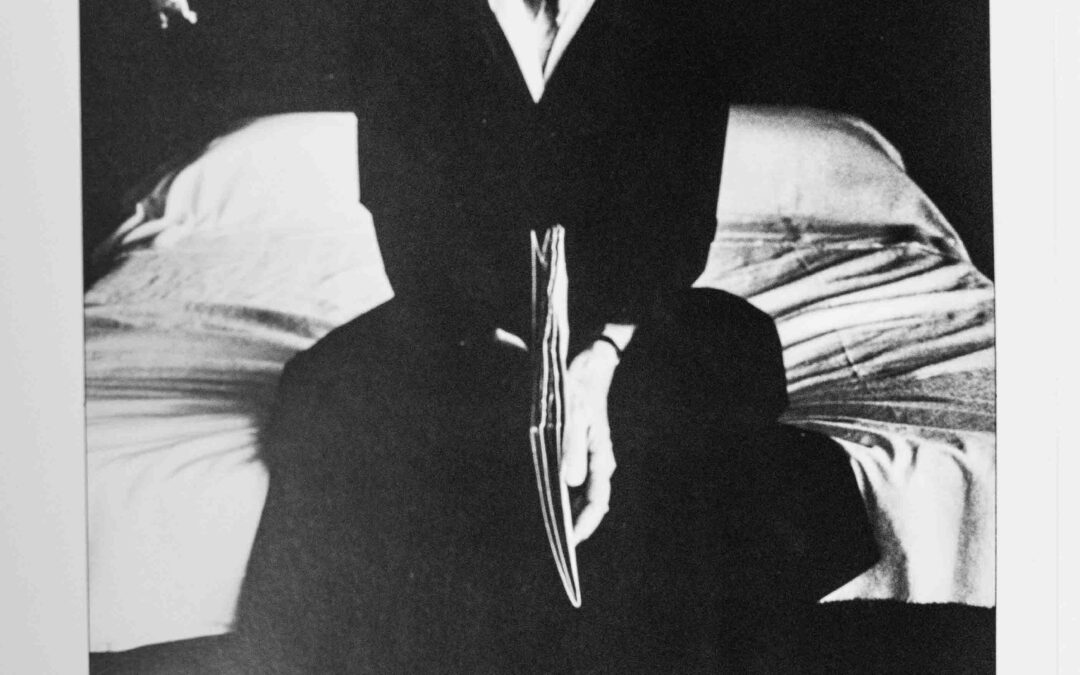
On Leadership, on the things we say to each other
First published in The Study of Light, on Substack, on September 30, 2025.
Georgia O'Keefe photo by John Loengard
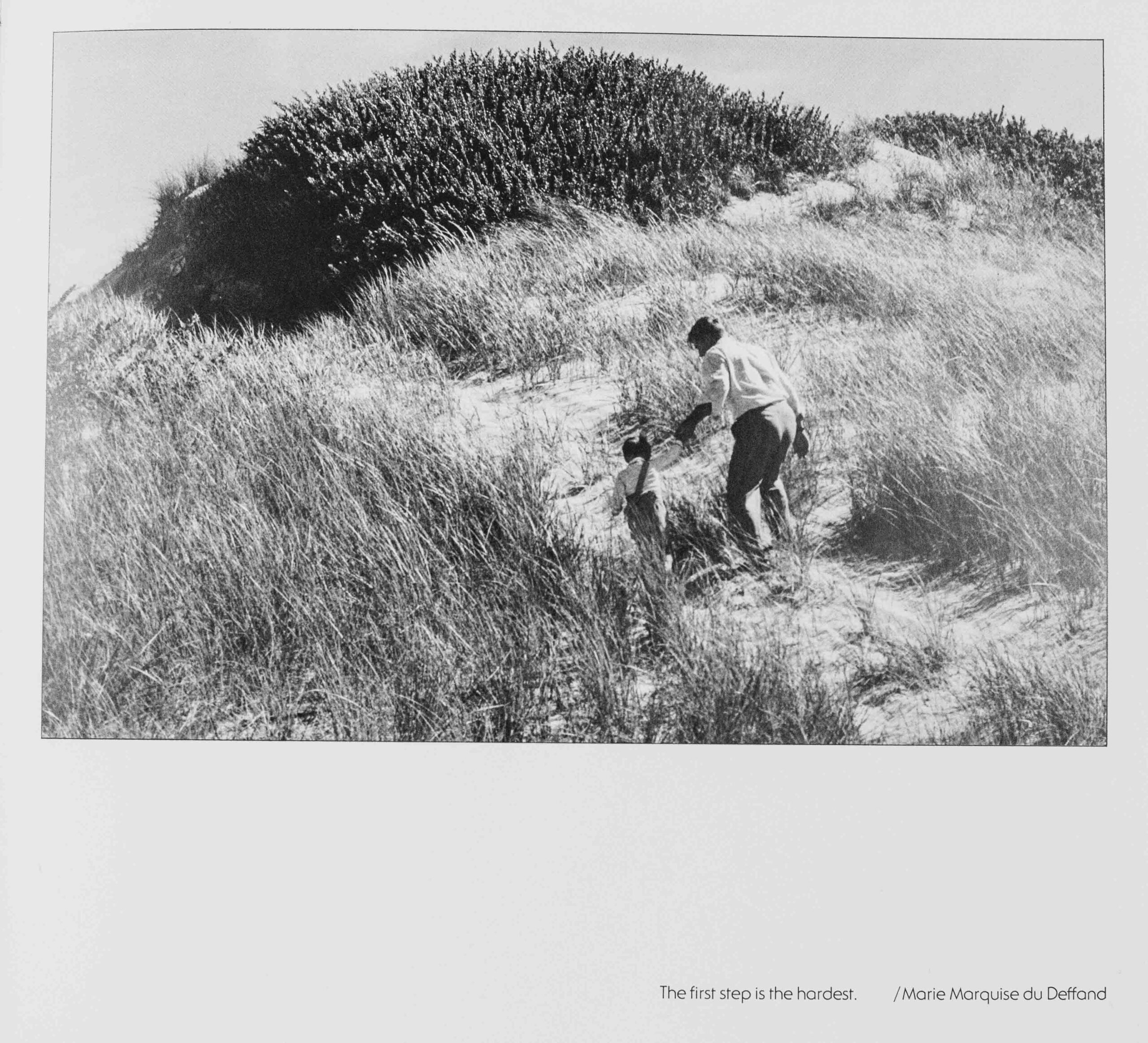
The first step is the hardest. ~ Marie Marquise du Deffand. / Photo: Suzanne Szasz
Growing up, my mom and dad put some lofty ideas in my and my siblings’ heads. Stand up for the underdog. Tell the truth, including and especially when your honesty puts you at risk. Treat everyone with respect. Hardly unusual ideas, but my folks were so emphatic about these, they became parts of our identities.
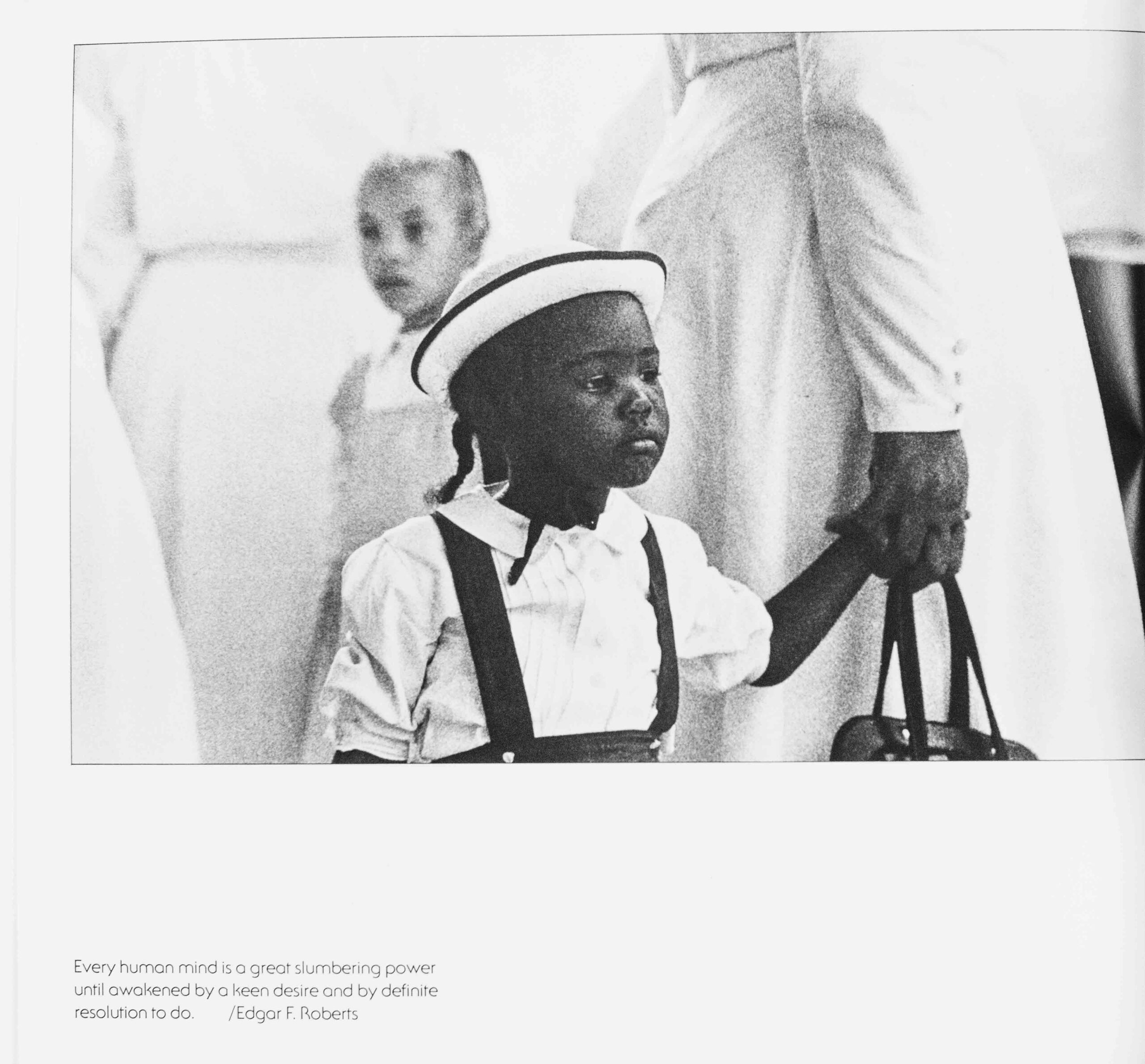
Every human mind is a great slumbering power until awakened by keen desire and by definite resolution to do. ~ Edgar Roberts / Photo: George Krause
My public schools echoed them, in their public, secular ways. Pop culture/rock and roll music went all in for the better world. Church said the same things, with Jesus, Mary, God the father, and the ever present fork in the road, (to heaven or to hell), to make it all more urgent. But these four entities — family, school, culture, and church — created for me what I think of as a moral education, or upbringing. Quaint old times, they were, but they were my times.
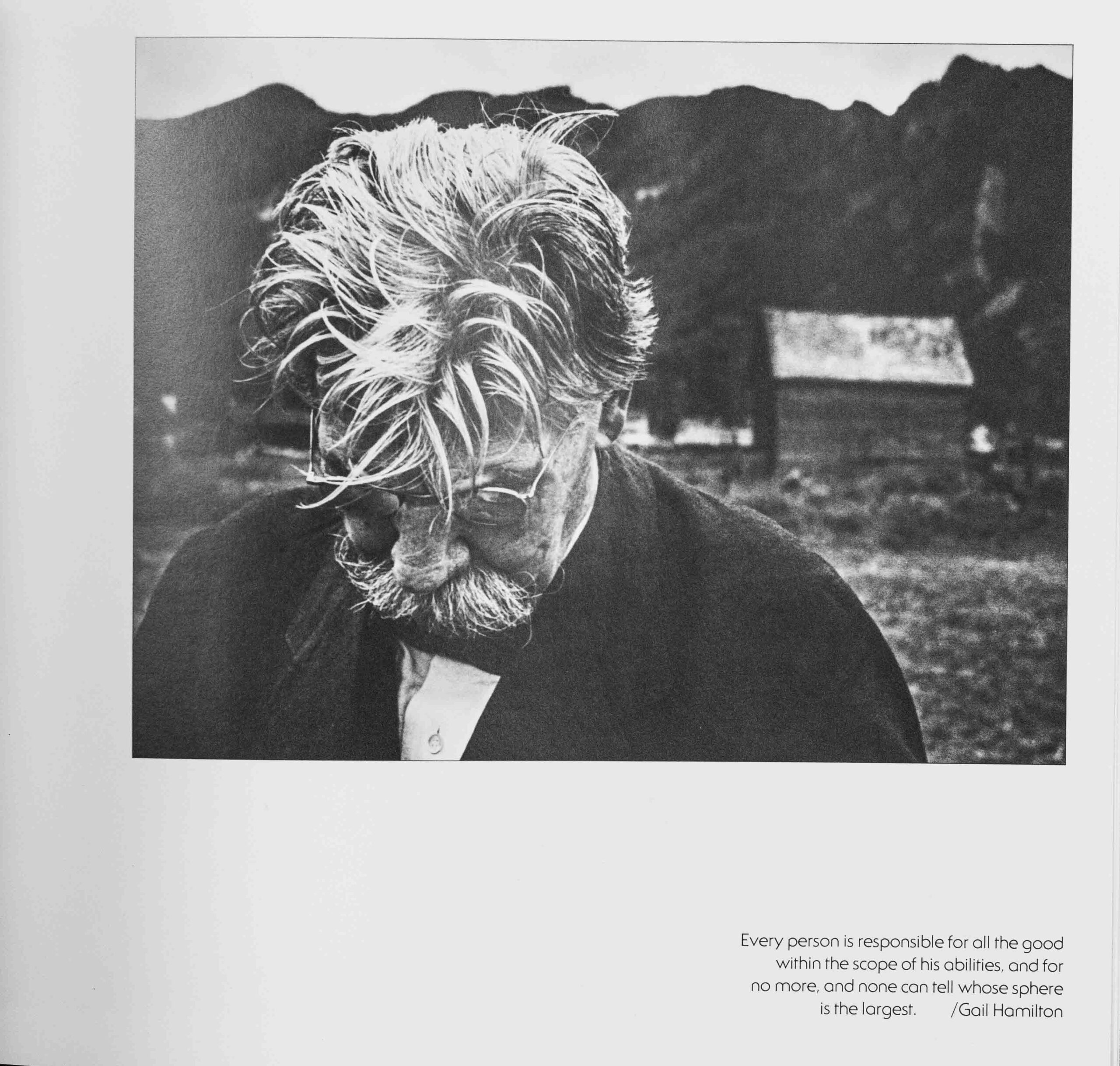
Every person is responsible for all the good within the scope of his abilities, and for no more, and none can tell whose sphere is the largest. ~ Gail Hamilton / Photo: W. Eugene Smith
Sexism was dying, we thought. Women were joining the workforce, and soon they would have equal rights. We thought. Most of my teachers and coaches, like my parents, demanded kind, decent behavior from the kids. In this setting (a new Minneapolis suburb in the 70s) racism or racist expressions were taboo. Set aside, if you can, the extreme whiteness of said suburb, for now.
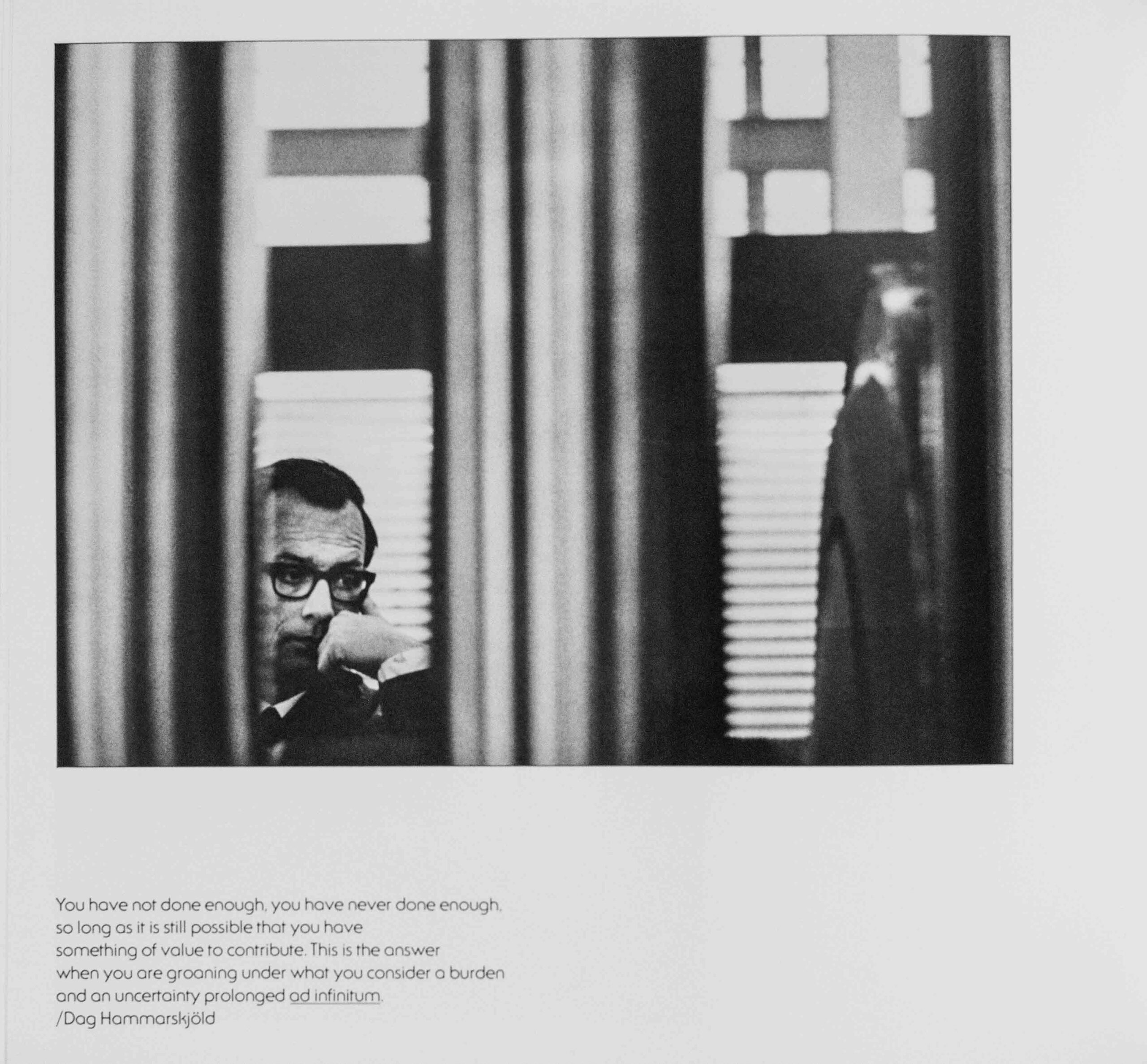
You have not done enough, you have never done enough, so long as it is still possible that you have something of value to contribute. This is the answer when you are groaning under what you consider a burden and an uncertainty prolonged ad infinitum. ~ Dag Hammarsskjold / Photo: Rudolf Auer
I had a grade school classmate whose father didn’t like black people. This was a scandal, and word of it spread from one fourth grader to the next, in whispered voices. The dad in question was just a regular guy, into fishing, hunting, and speaking his mind, topped off with sprinklings of the n-word. But his son was ashamed of him. And his son’s classmates couldn’t fathom having a father who felt that way about an entire race of people. That was just what was in the air. Racism was deplorable, because (most of) our parents, our teachers, our culture, our churches said it was.
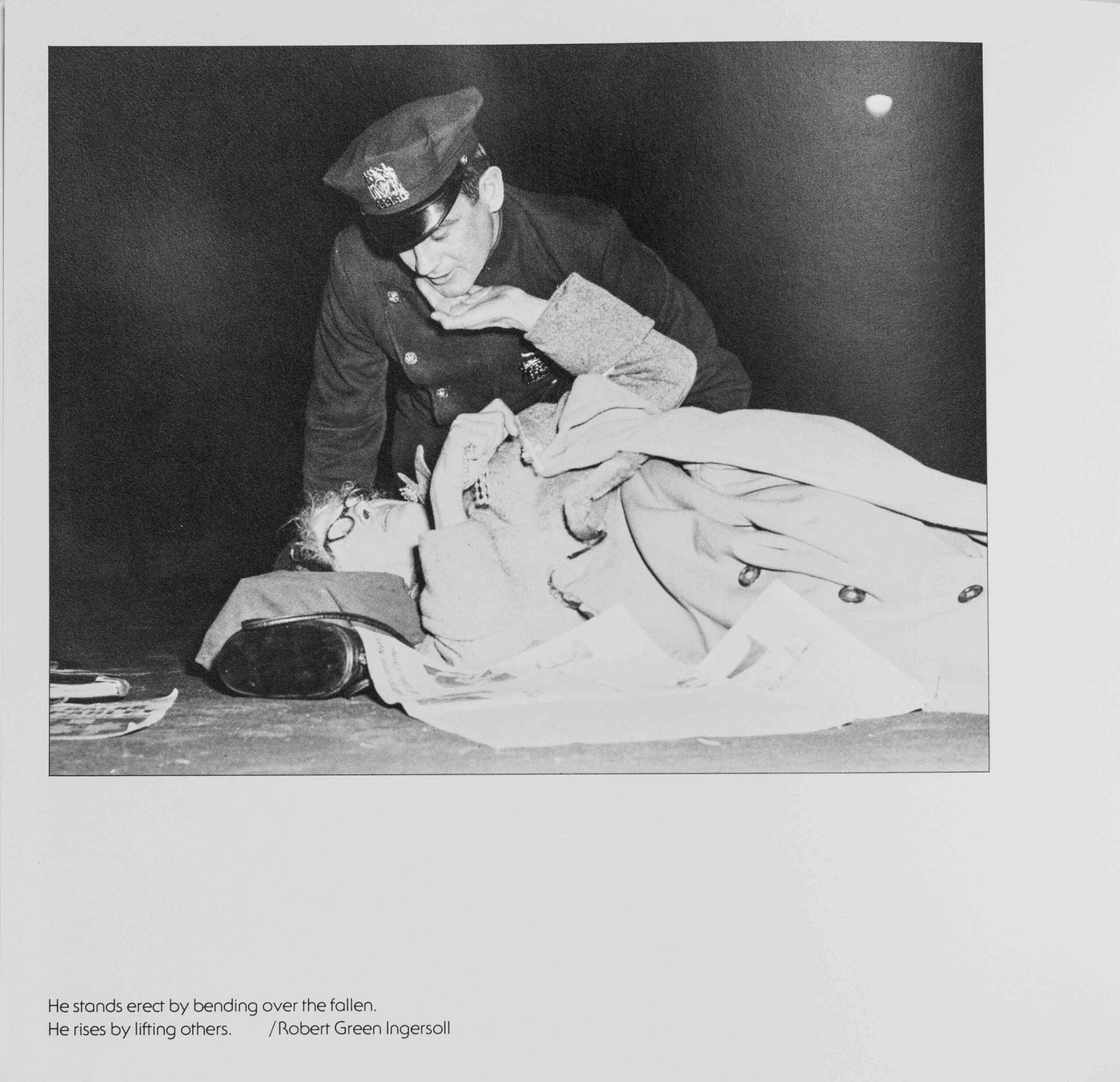
He stands erect by bending over the fallen. He rises by lifting others. ~ Robert Green Ingersoll / Photo: Gary Kagan
About the same time, my dad received recognition at work. He was a personnel manager at the IBM regional office. For his efforts and his way of being, his boss wrote him a nice letter, and gave him a copy of On Leadership, a book created for and published by IBM, that had large leaf black and white photos, paired with quotes to make you think. Make you think about leadership, yes, but life and purpose and equality too.
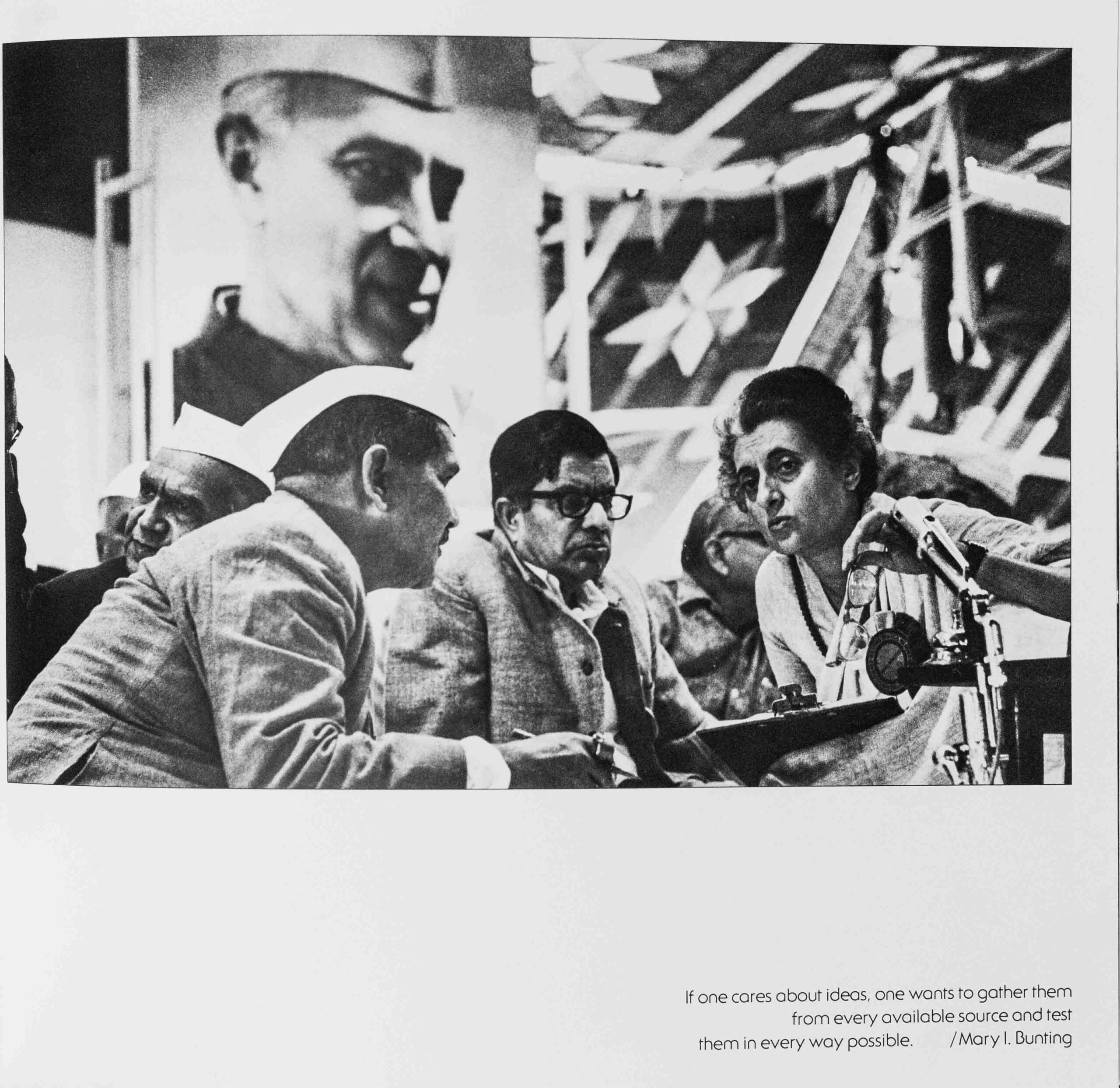
If one cares about ideas, one wants to gather them from every available source and test them in every way possible. ~ Mary I. Bunting / Photo: Raghubir Singh
I recall seeing this when he brought it home. I was eleven, and not impressed. Viking quarterback Fran Tarkenton, and rock band Led Zeppelin, now they were impressive. But within a few years my mind came to appreciate a good quote, a thought-provoker, a purpose-diviner. By high school I was all in for good words. Especially if they addressed things like how to save the world, or how to go to heaven.
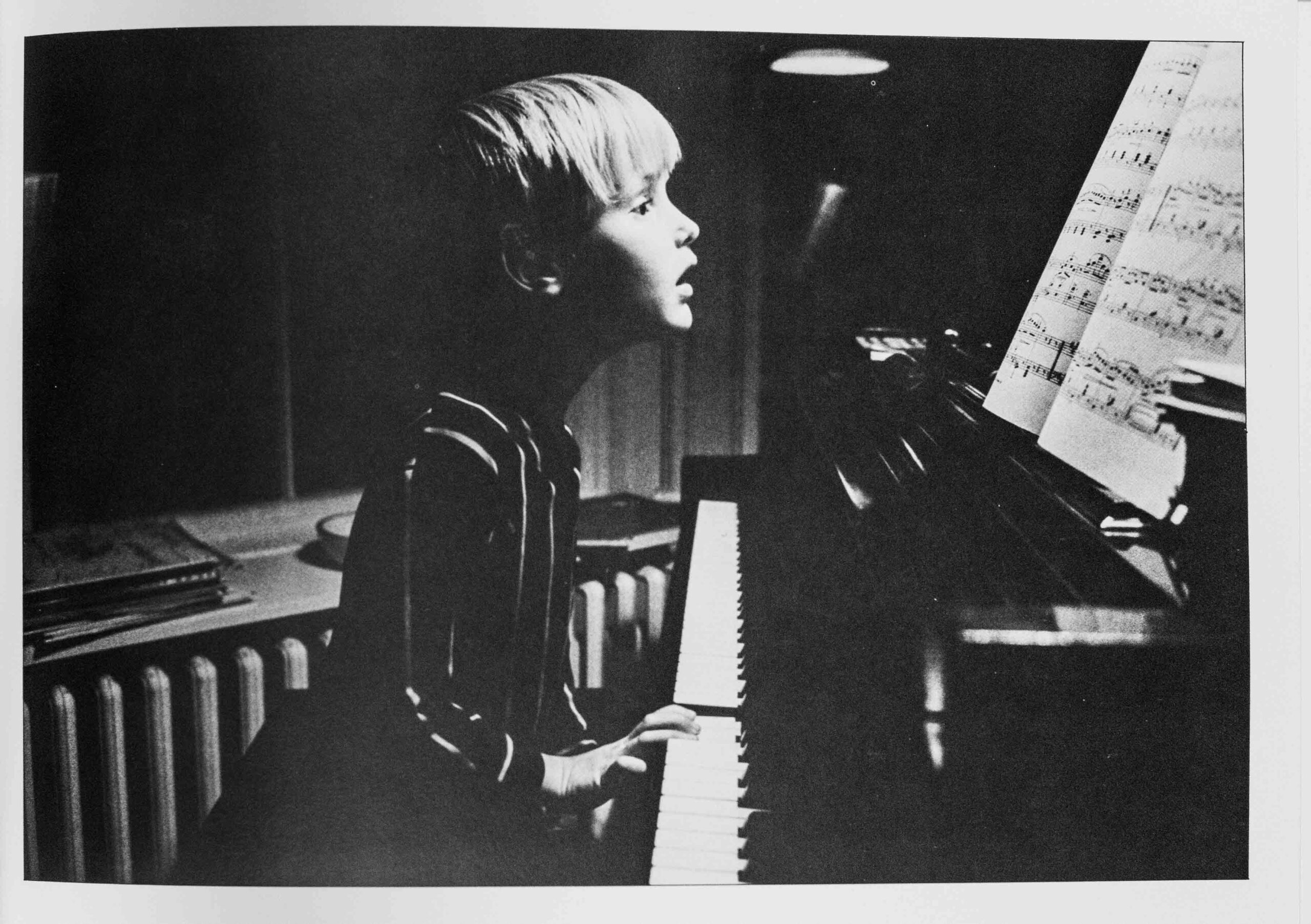
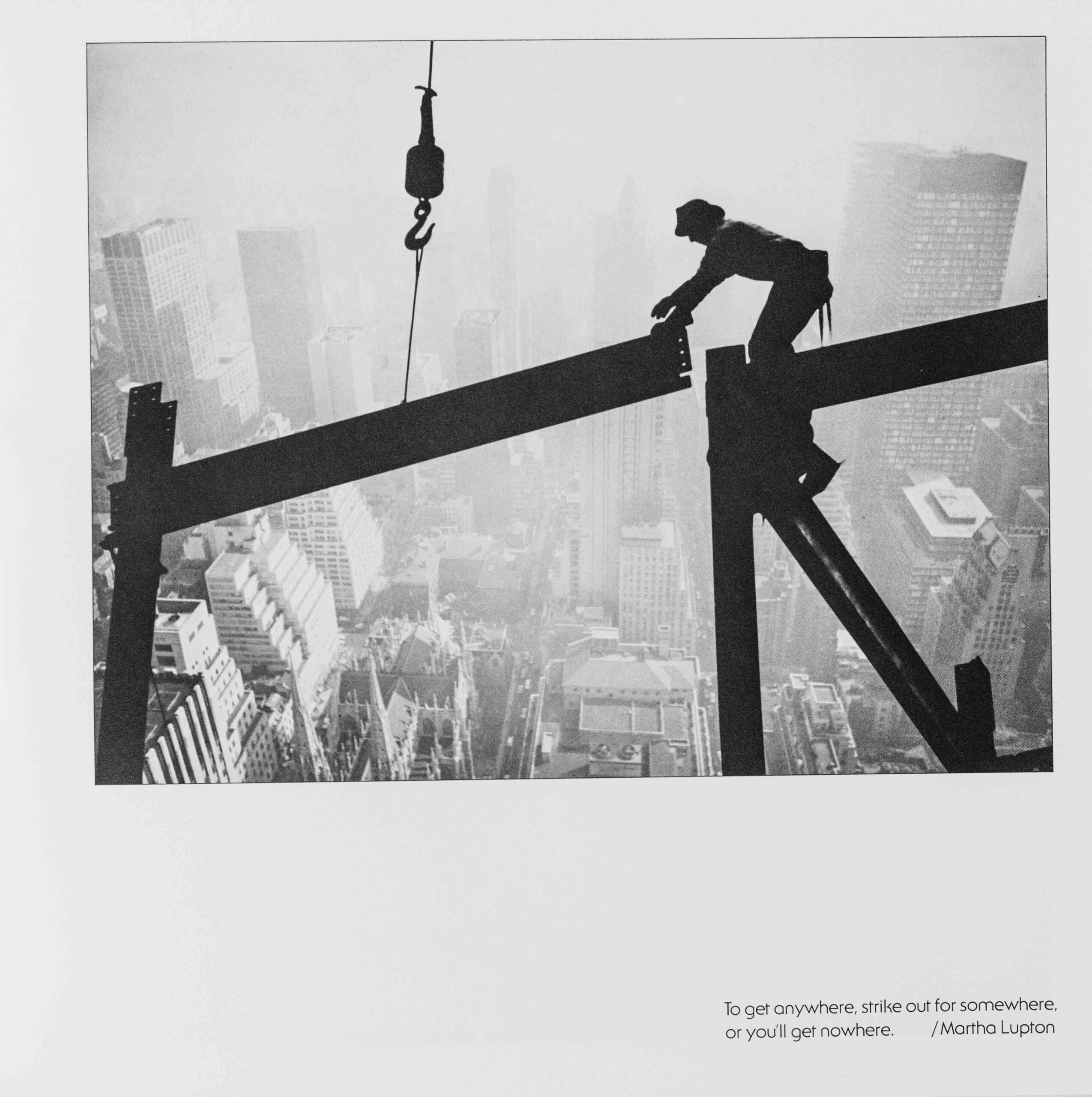
To get anywhere, strike out for somewhere, or you'll get nowhere. ~ Martha Lupton / Photos: Dan Budnick, left; Wellington Lee, right
Dad has been gone twenty-one years now. We still have the book. When I look at it, I don’t feel embarrassed about how it inspired me as a kid. I double down on it. These are great words, and great photographs. In my opinion, the compilers (Carole Kismaric and Charles Mikolaycak) clearly made a conscious effort to derive from “man” and “mankind” an expansive vision that counts women, children, and people of all races as equals.
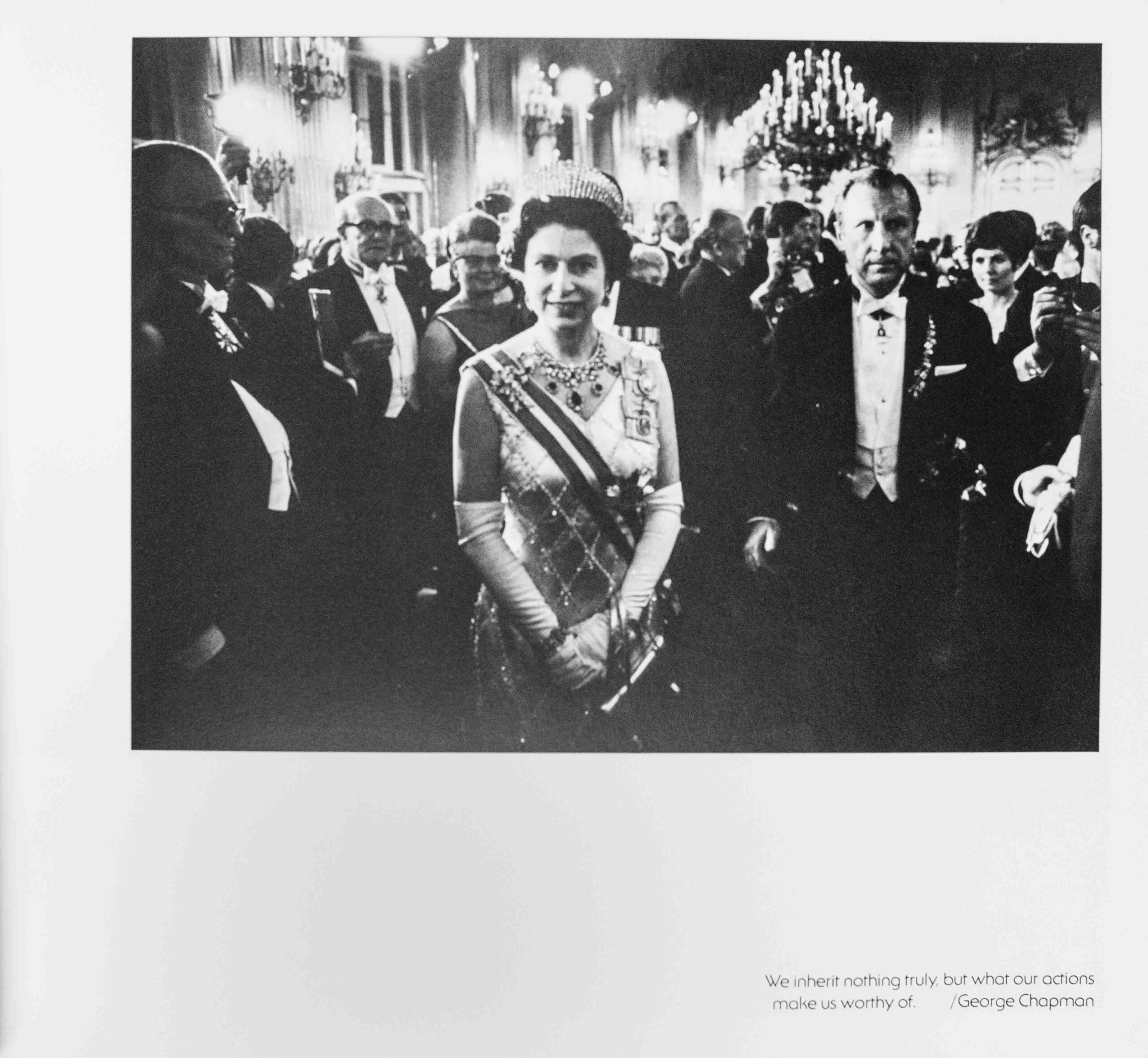
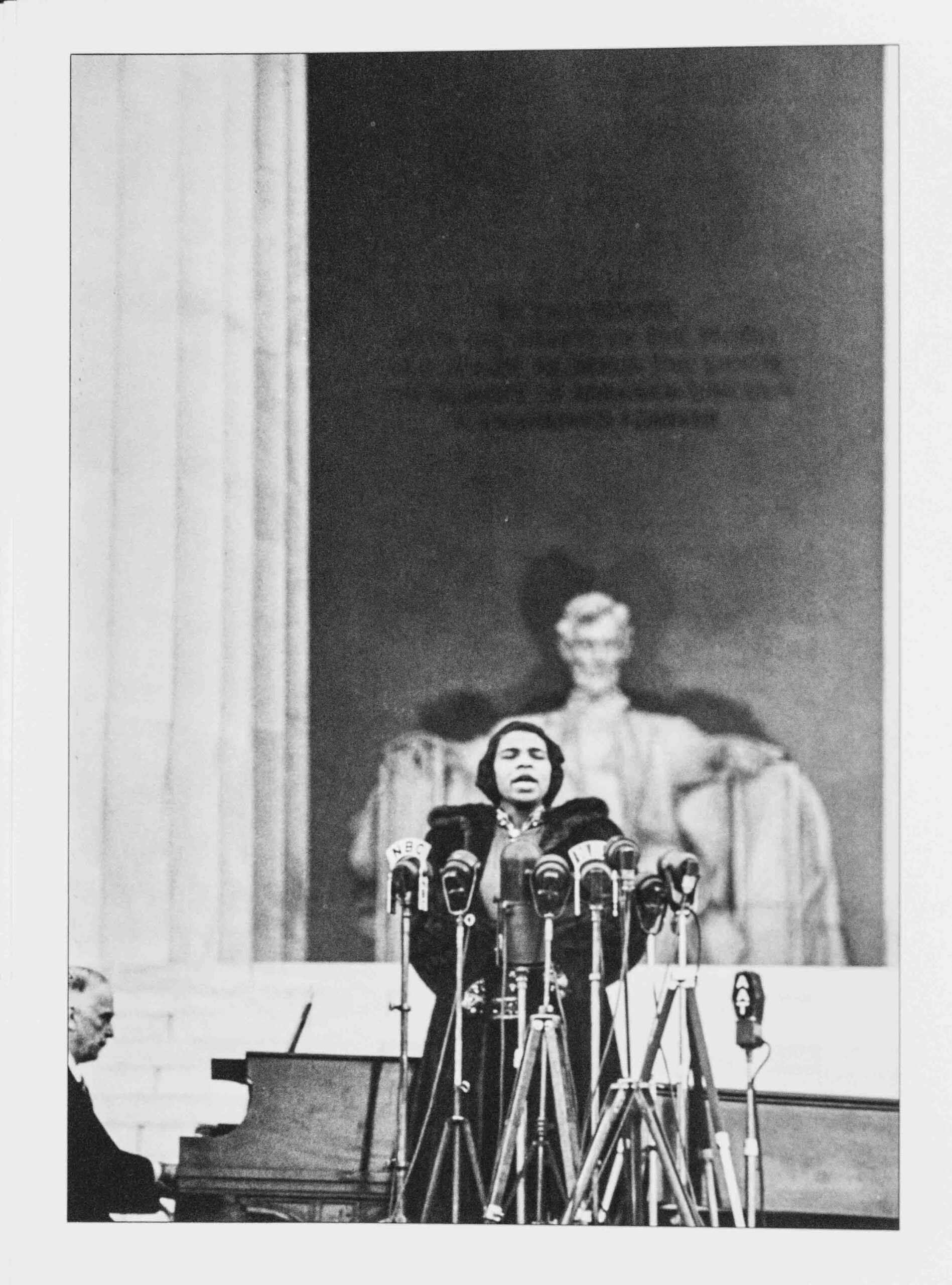
We inherit nothing truly, but what our actions make us worthy of. ~ George Chapman / Photos: Thomas Hoepker, left; Thomas D. McAvoy, right.
This book speaks to me now, because its message stands in sharp contrast to other words “in the air.” In the recovery from WWII, our leaders, worldwide, said things that they believed could unite the world in peace. In the Civil Rights era our politicians slowly, reluctantly set us up for basic set of rights for all people. What words are being spoken now, in this moment? What sort of world are we hoping for, and creating? If you want to know, listen the words of politicians, pop singers, researchers, religious officials.
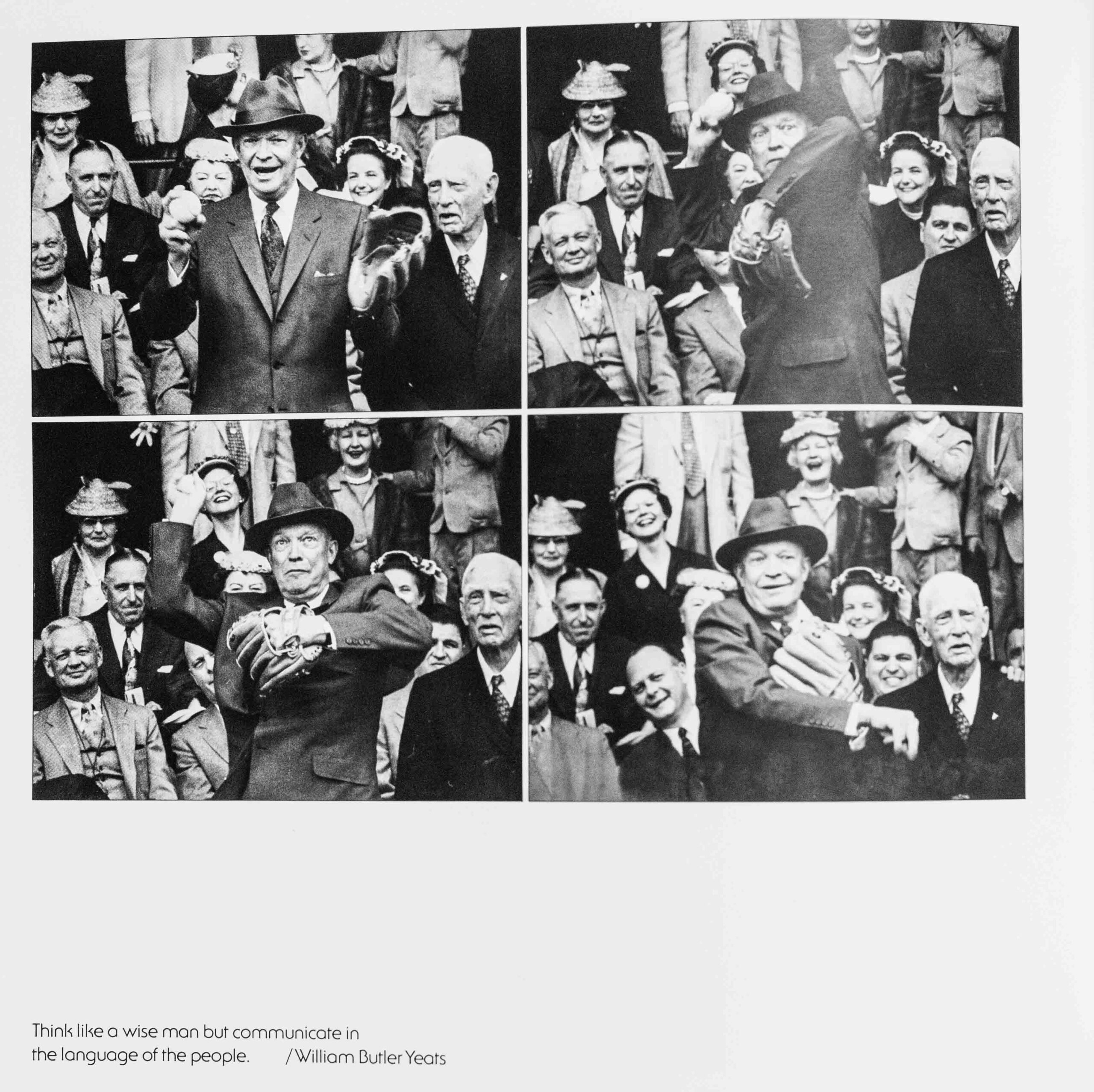
Think like a wise man, but communicate in the language of the people. ~ William Butler Yeats /
Photo: Maurice Johnson
“Words in the air,” I’m finding, is my shorthand for rhetoric. Rhetoric is defined as the art of effective and persuasive speech, and often used as a minimizing description — “oh, that’s just rhetoric.” But rhetoric are the “words in the air,” the things that people are saying. Words that set the tone and define our values, and eventually define us. They show up in campaign pitches, presidential addresses, coffee table books, in sermons and homilies. They are all over our new town square — social media. For me, I found some big ideas in this book, On Leadership, but also Dag Hammerskold’s Markings, in the speeches of JFK, RFK, and MLK, Jr.
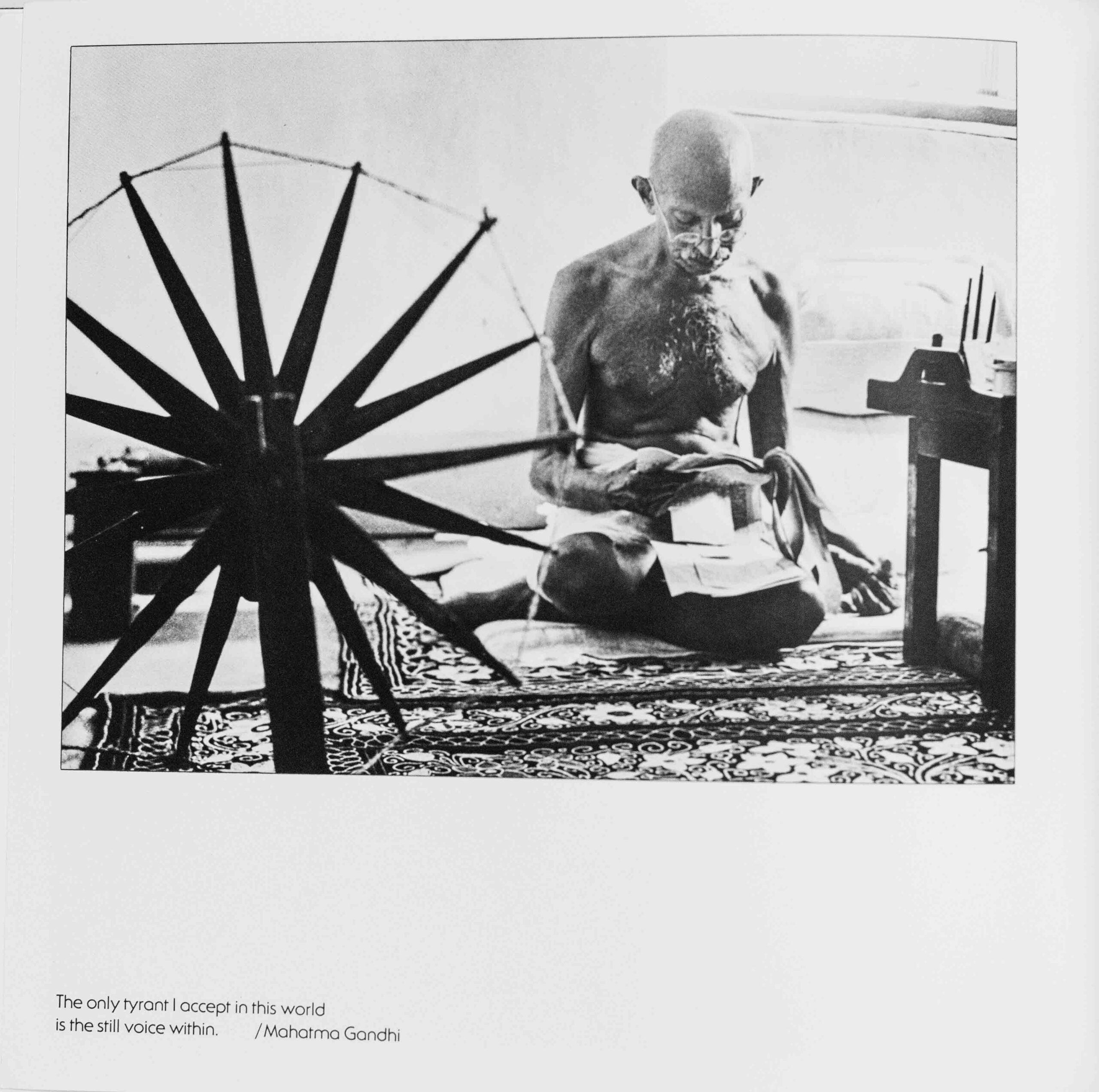
The only tyrant I accept in this world is the still voice within. ~ Mahatma Gandhi / Photo: Margaret Bourke-White
To all of this I must add, none of the above-mentioned entities gave me any definitive ideas about people of other sexual identities or persuasions. Not Dad and Mom, not St. Edward’s, not Brookside Elementary. Silence on this, I take now to be an indication that we just weren’t ready for that at that time. And the words in the air now, suggest that despite our progress, we have a long road ahead of us.
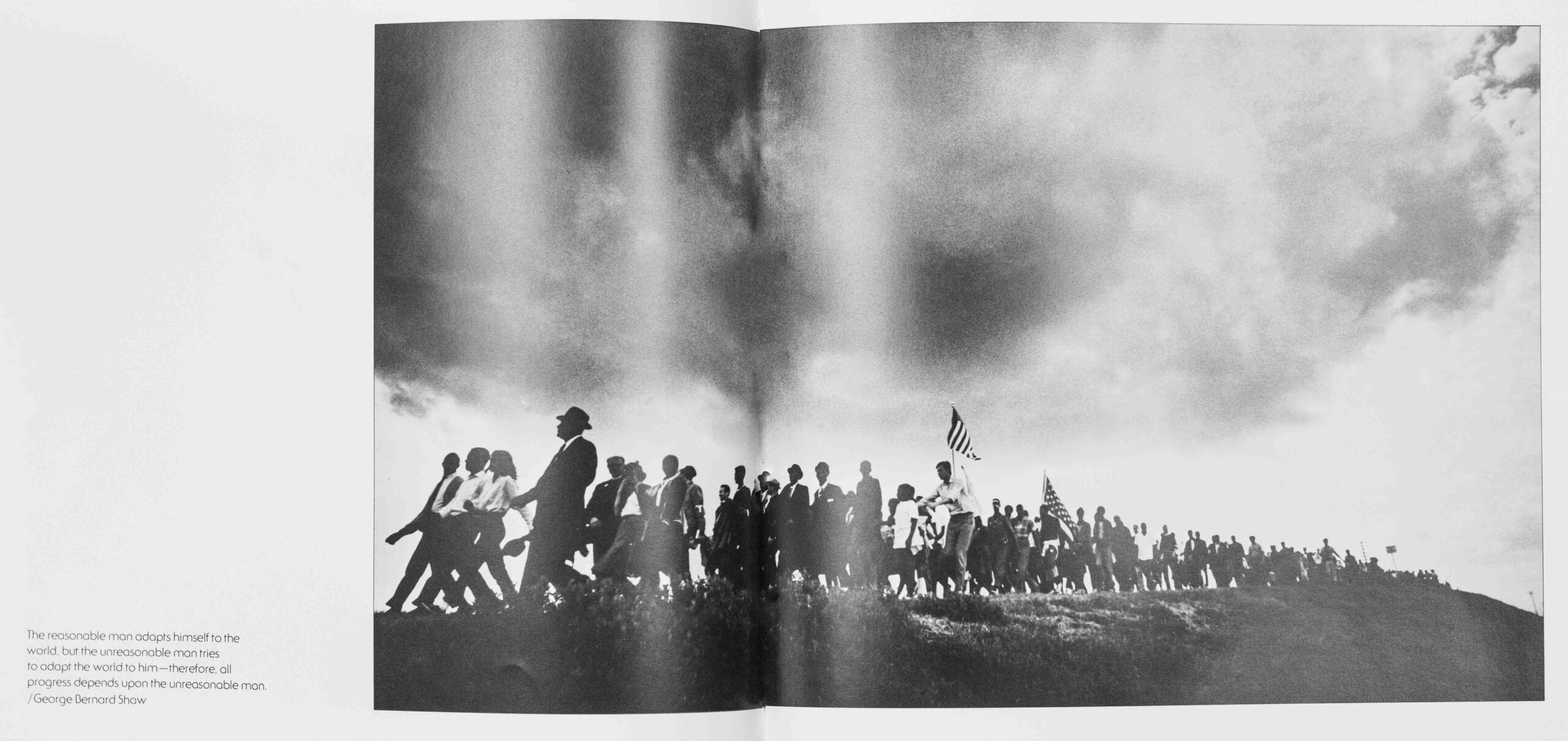
The reasonable man adapts himself to the world, but the unreasonable man tries to adapt the world to him--therefore all progress depends on the unreasonable man. ~ George Bernard Shaw / Photos James H. Karales.