
There is such a thing as climate psychology—a field of study that seeks to explain how humans function in their climates, and how those climates, and changes in them, affect the human mind. And so there is also climate depression, or “climate change related depression.” This diagnosis hasn’t been formalized such that it has its own little section in the DSM. However, I find it completely relatable. Possibly it is the most real of maladies, I think, because I’ve been feeling it for over two decades. The more I talk about it with others, the more I realize I am not alone. And whatever I feel, as a person who is “old,” young people must feel so much more. I get to leave in twenty years. They will be here sixty or eighty more years.
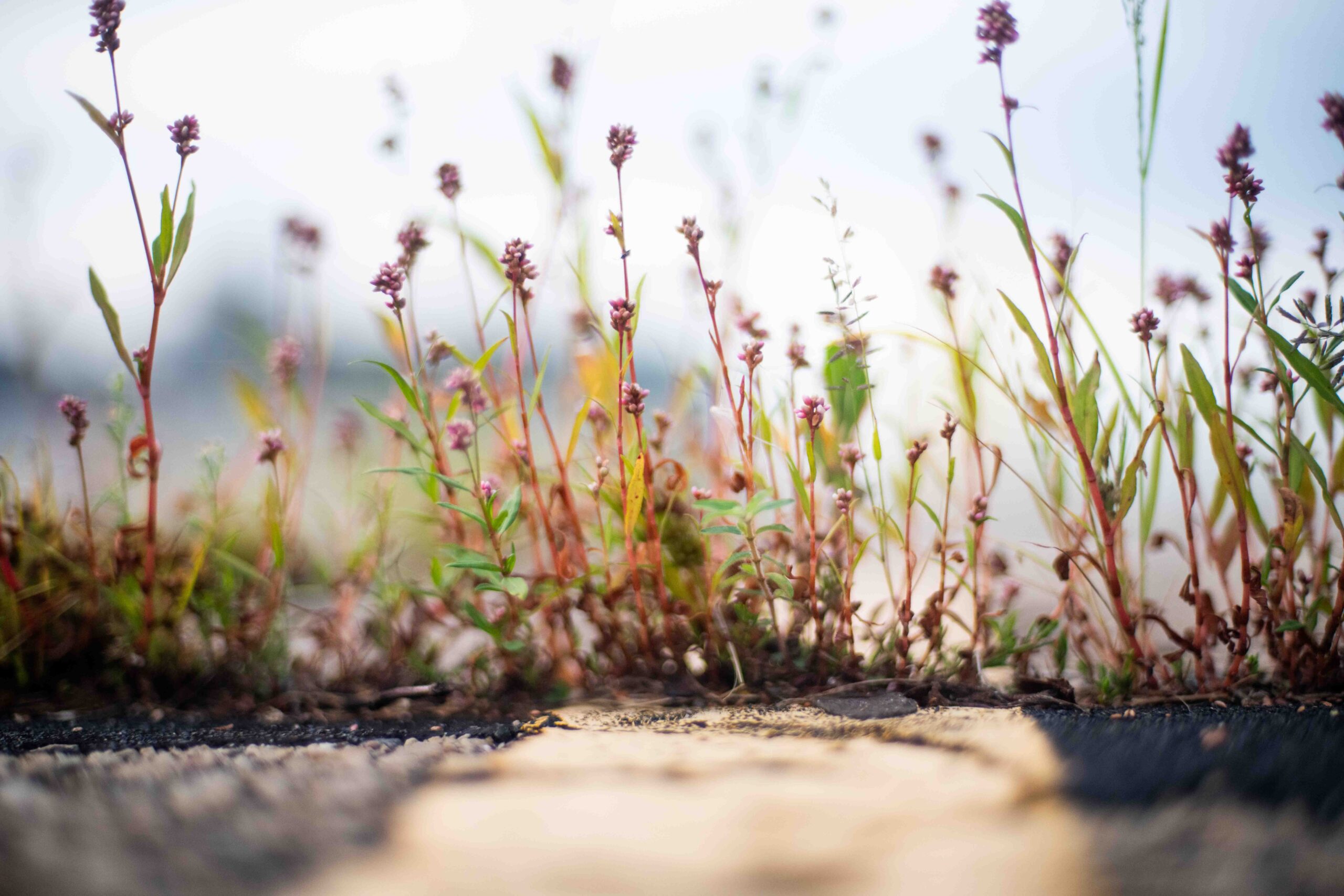
Lady's Thumb, aka Redshank
I like science. Most of the time I trust scientists. When my experience matches what the scientists say, I feel like I’m on to something. I don’t have personal experience of watching glaciers cleave into the Arctic Sea, but I have seen one disappear off a mountain in Switzerland. It was still growing when I skied on it in 1982. It is no longer there.
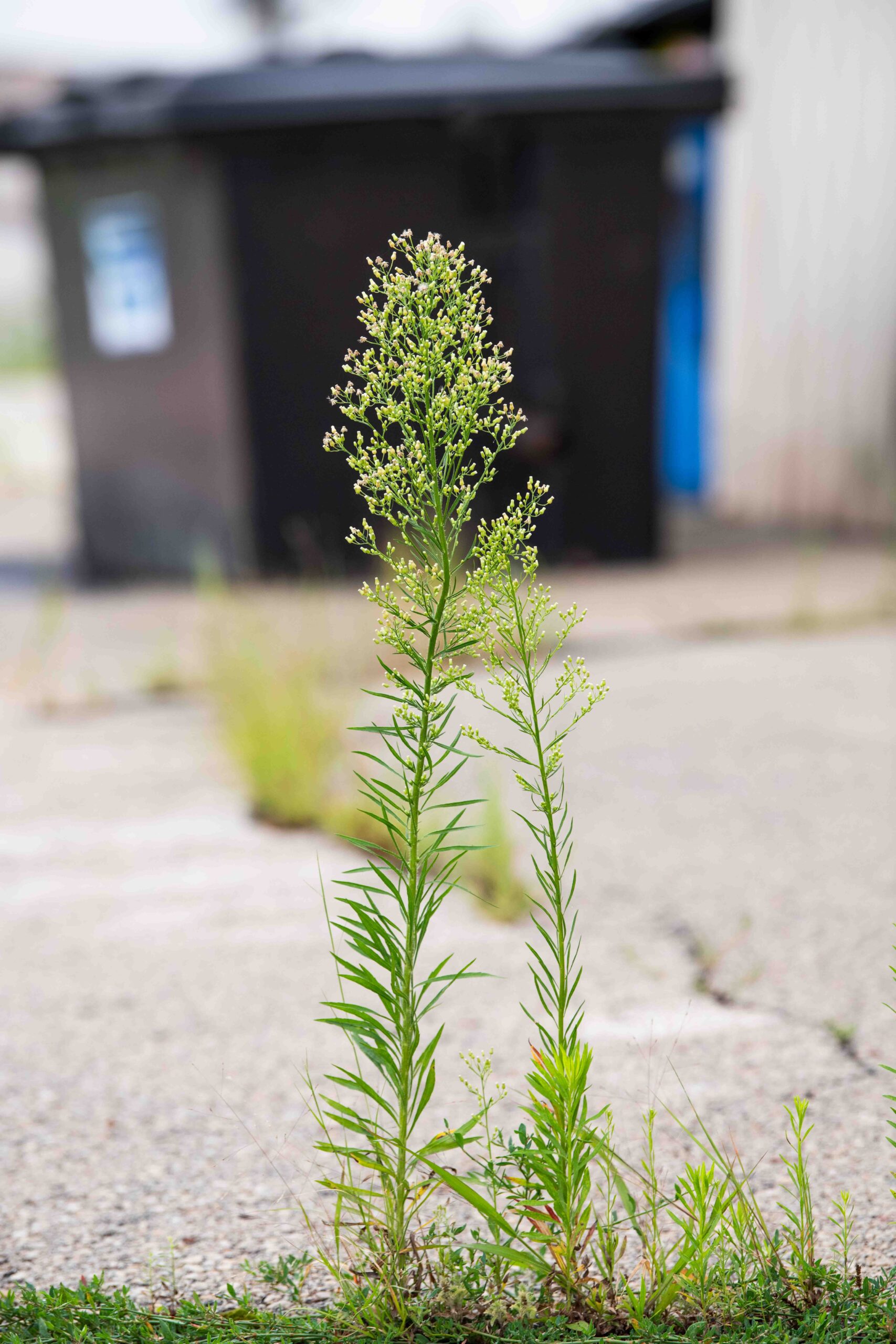
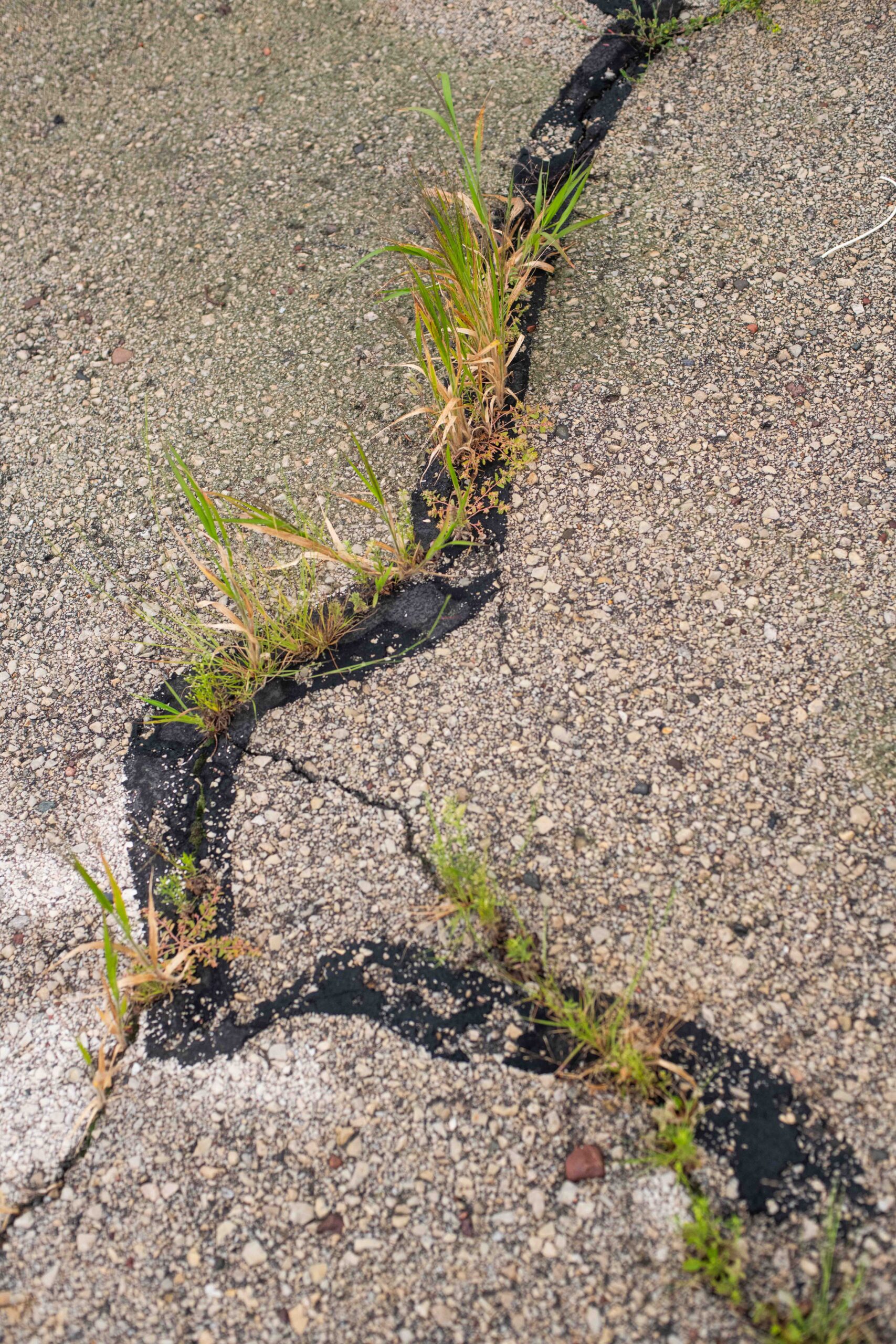
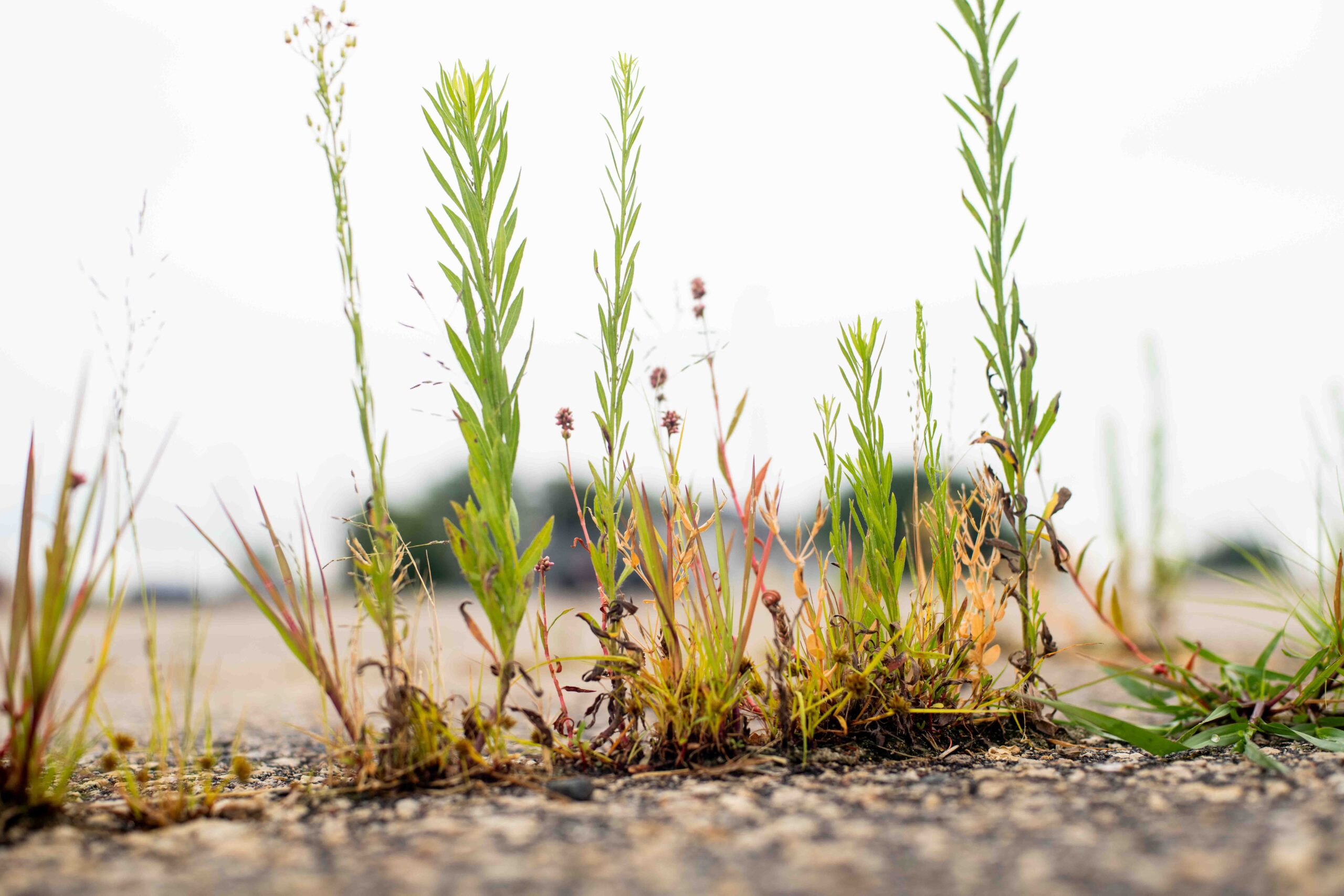
Mare's Tail, and bunch grasses growing through crack filler.
Dandelions in bloom in December (St. Paul, 2000). Christmas Eve thunder and lightning (SW Wisconsin, ca. 2019). Rivers and lakes that froze reliably, now freezing rarely, if ever (Minnesota and Wisconsin, from my youth to present day). Wildfires burning across the world.
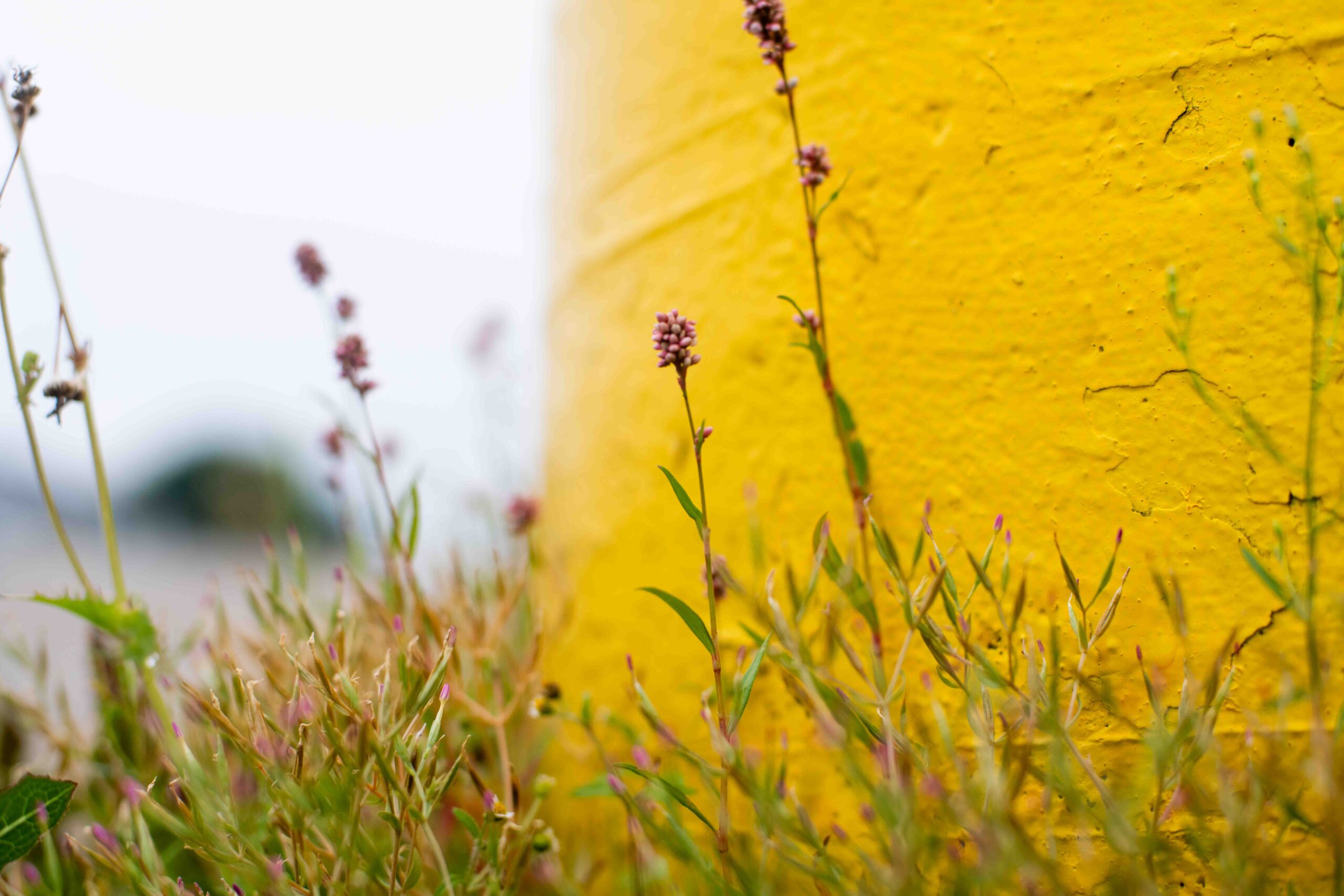
If you’re paying attention, you have your own observations. If you feel anxious or depressed because of the changes you observe, and all those dire prognostications, you can do something about it, and that might be enormously helpful.
At my part-time Monday job, (mentoring at-risk youth), my bosses Chris and Mark brought a terrific psychologist on board for an all-agency meeting. Her name is Steffi Bednarek, and she is the founder and director of the Centre for Climate Psychology. If you are interested in the intersection of climate change and mental health, read her. Follow her on Substack, or check out her website.
https://www.steffibednarek.com/
https://substack.com/profile/91342958-steffi-bednarek?utm_source=global-search
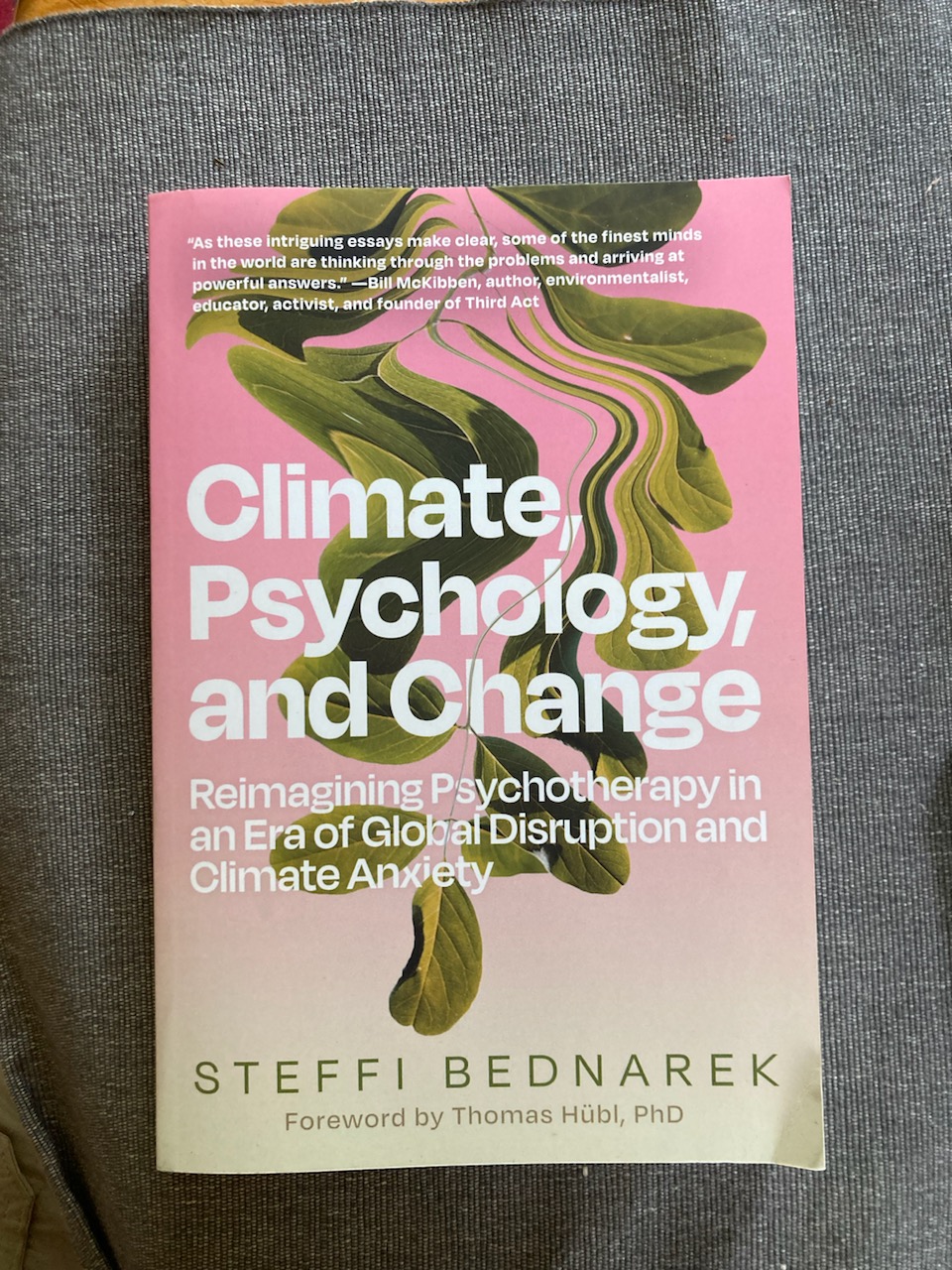
"Depending on where one’s affiliations lie, personal ethics, values, actions, and solutions to individual and global problems will look dramatically different. From the positivist perspective, climate change can be assimilated in terms of facts and figures. Solutions are likely to be practical and technical, and communication relies on sharing information. A Soulful perspective, on the other hand, calls for an aesthetic engagement and a changed relationship with the Earth and each other, one where we become involved, entangled, and accountable."
Steffi Bednarek, from Climate Psychology, and Change
Here’s what she said at our (online) meeting, and this is the point of my post today:
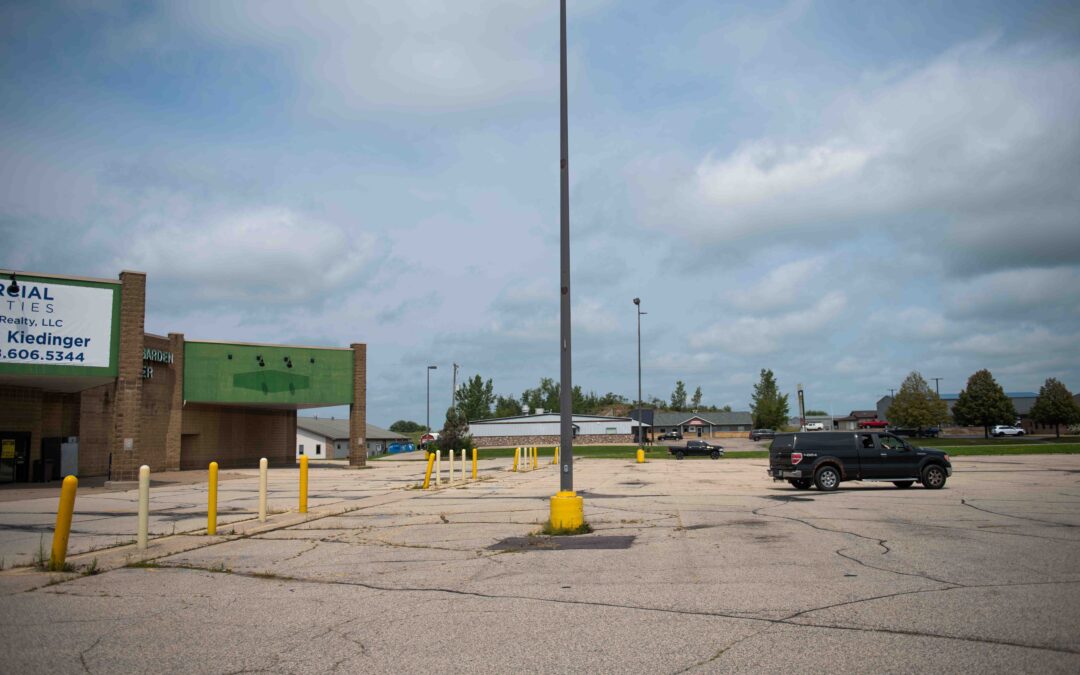
If you are feeling bleak about a place, a place that you consider to be environmentally degraded, go there. Spend more time there. Look at it all. Engage all of your senses. Then notice the life that is there, and how it is coming forth.
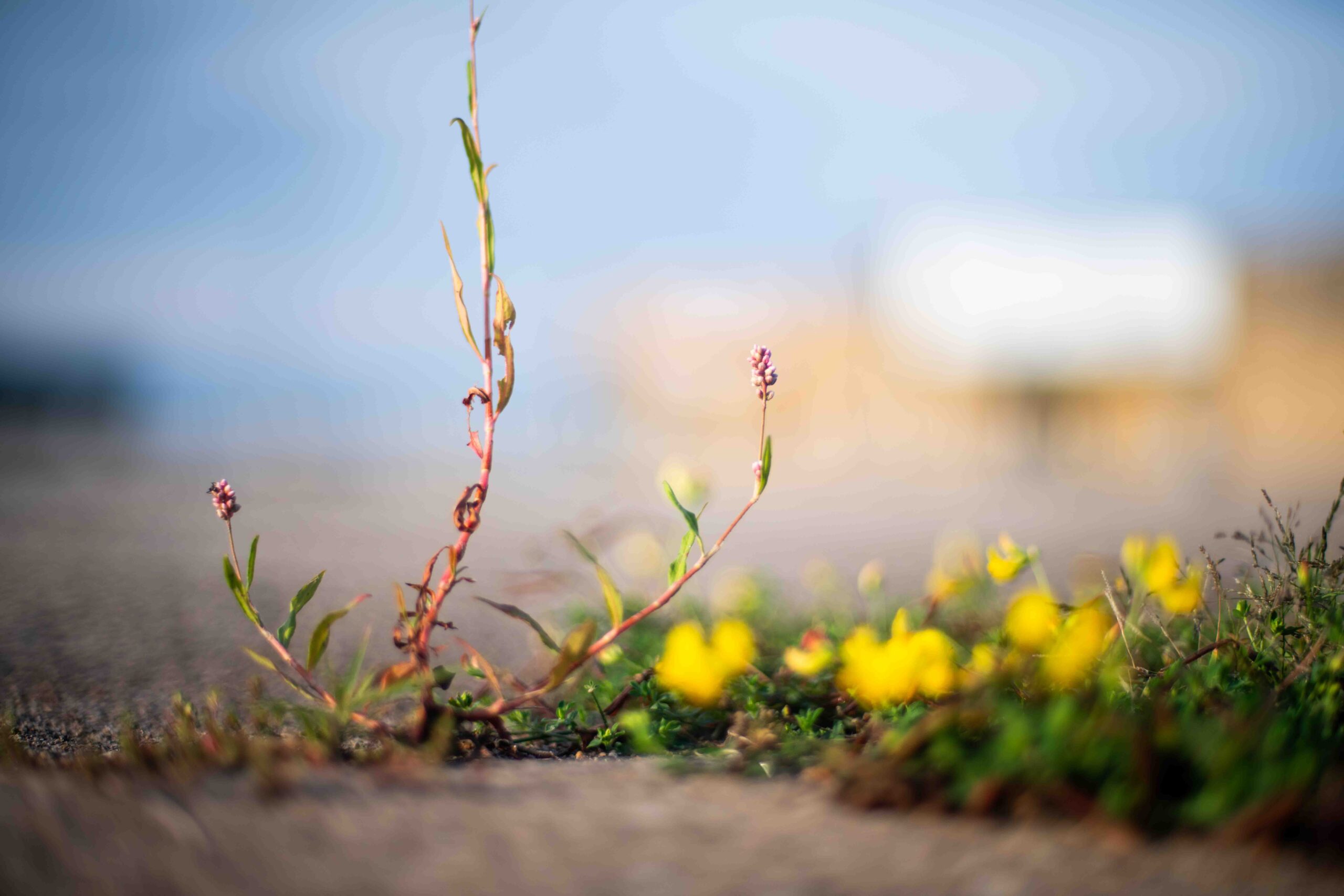
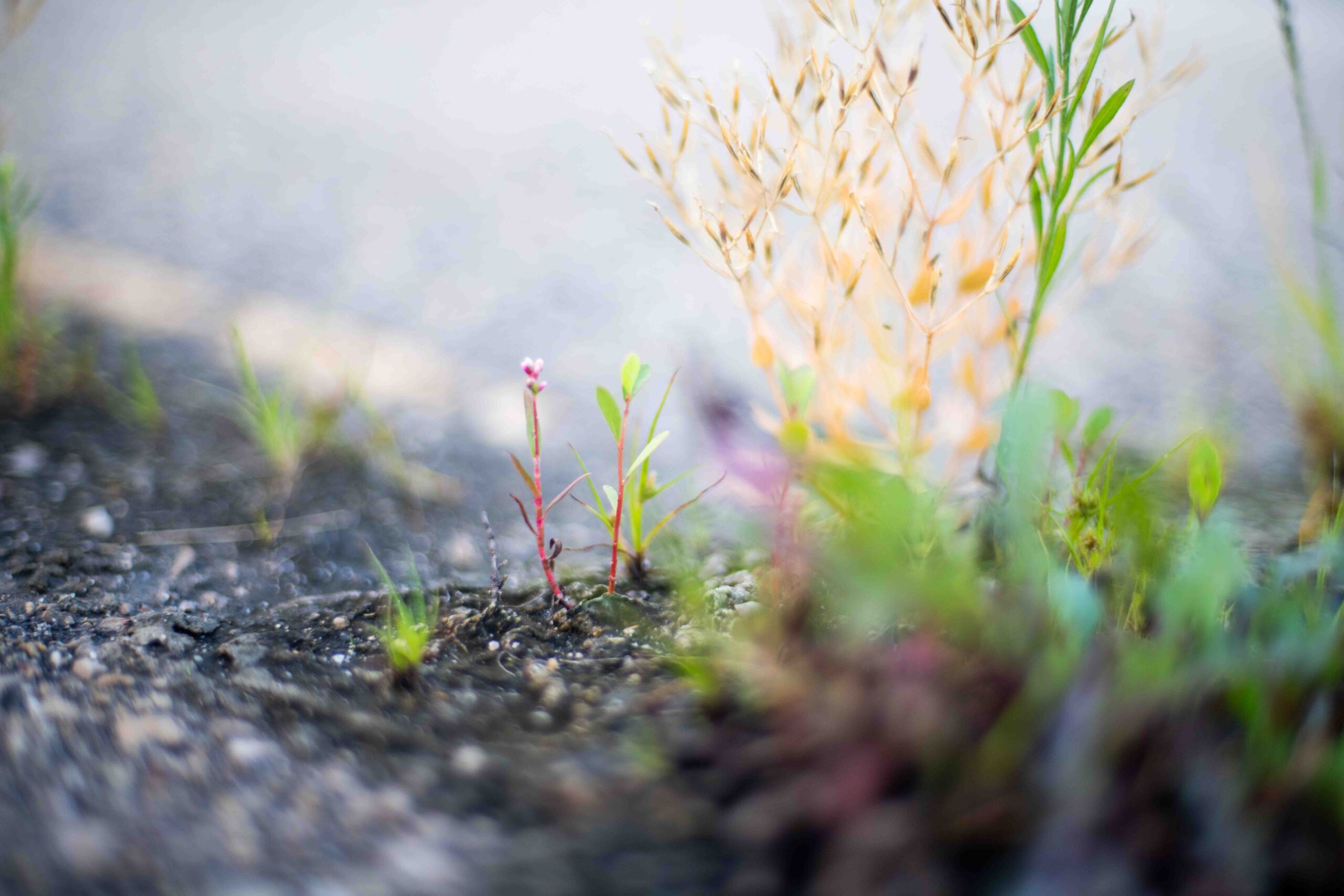
Lady's Thumb, and bird's foot trefoil
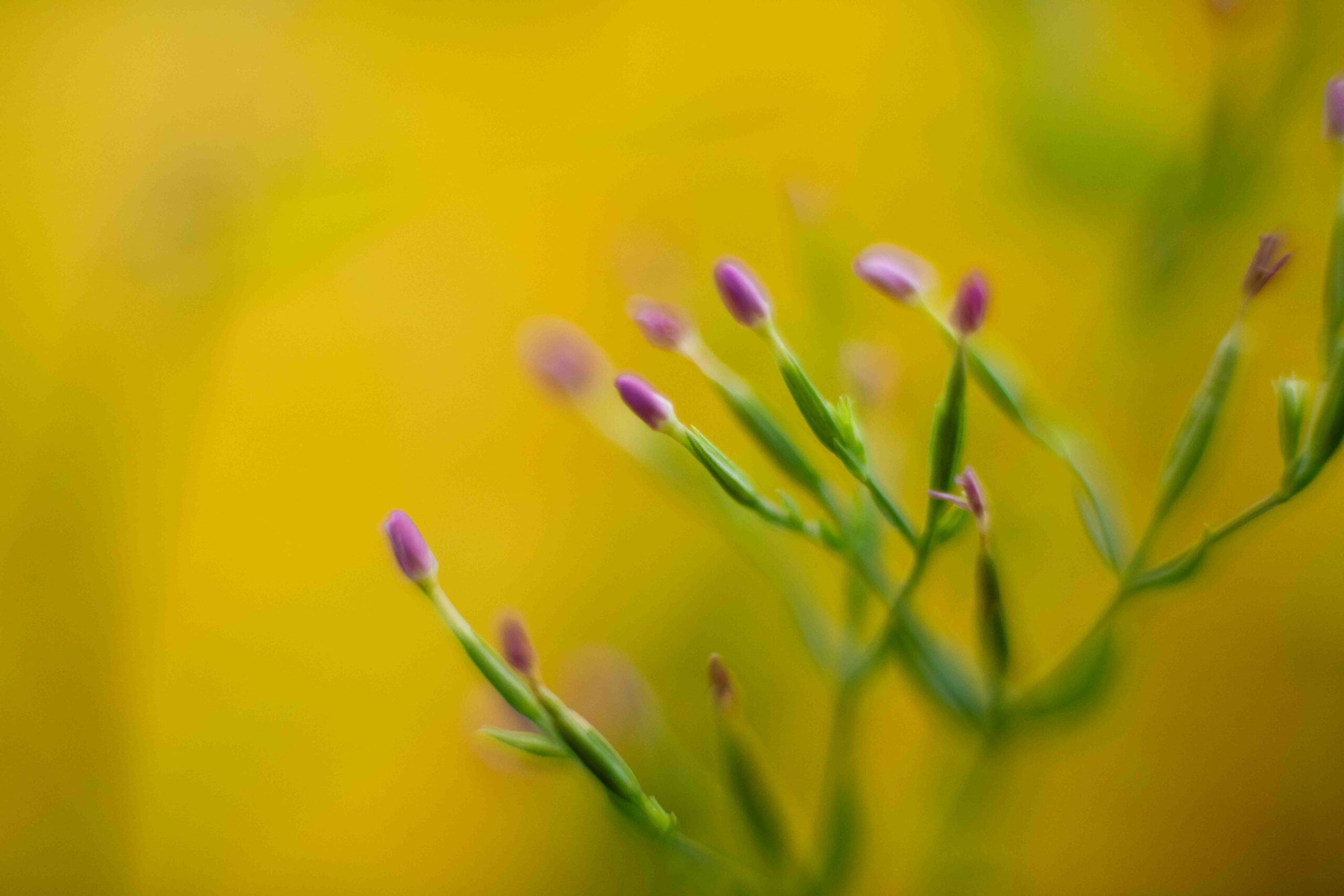
Centaury buds, in front of a parking lot bollard
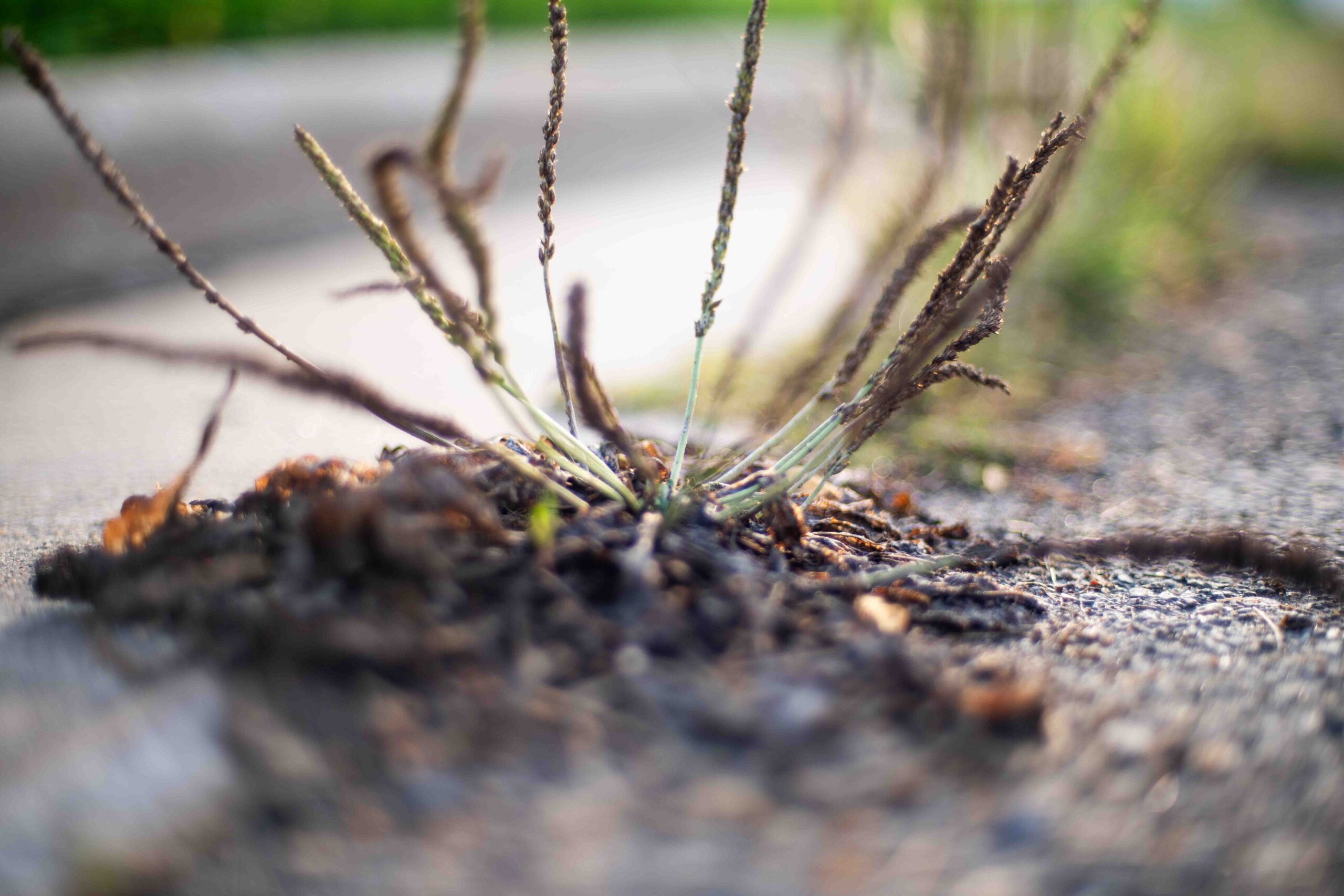
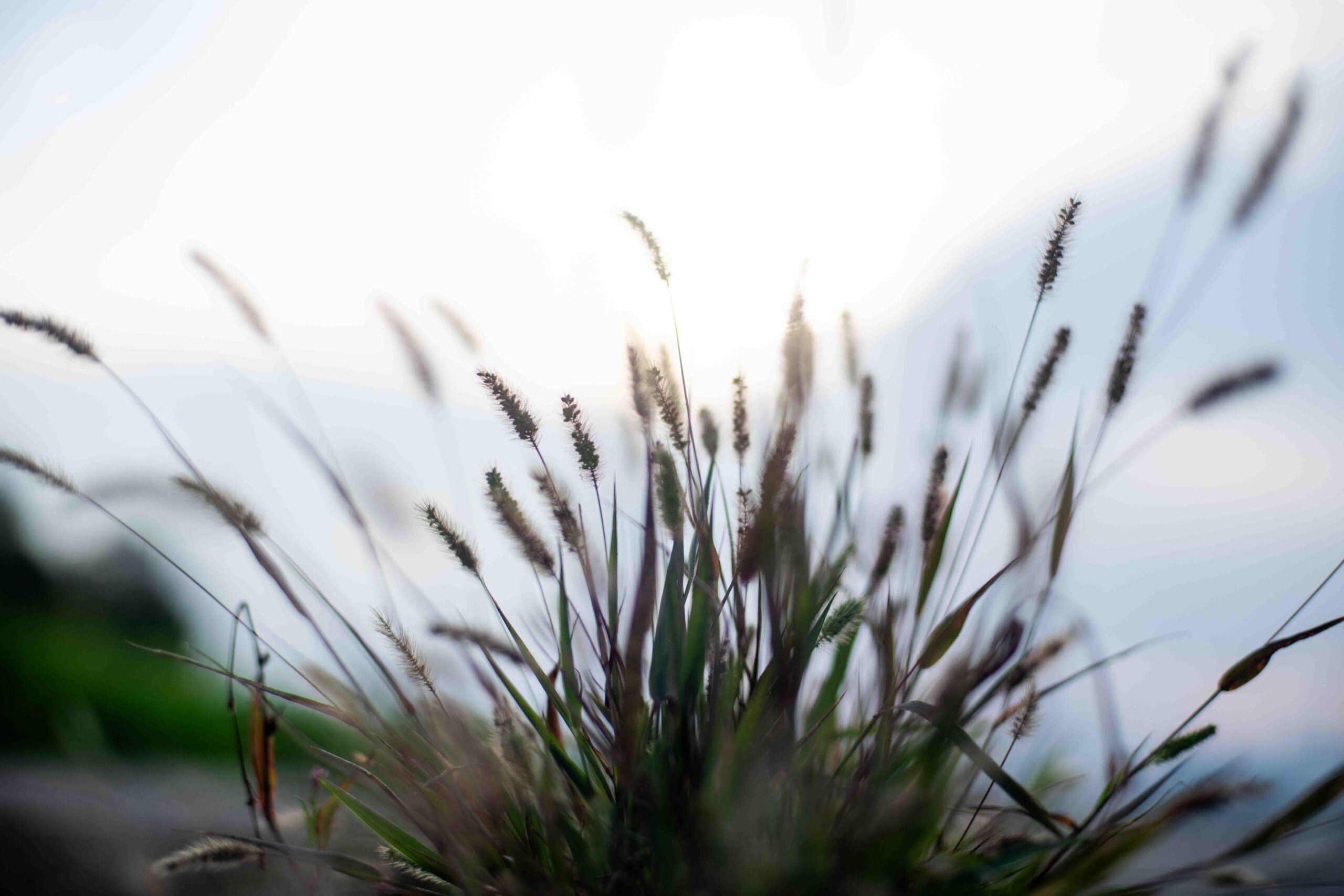
Plantain and wild fox tail

This post is what came of this exercise. It is the first of several. Currently I am taking a deep dive into a block-long lot that for 120 years was a road and then a playground. Presently it is a restored prairie, gushing with life, outside my studio window.
As for the results of this exercise, I do feel better! For now. I will keep at it.